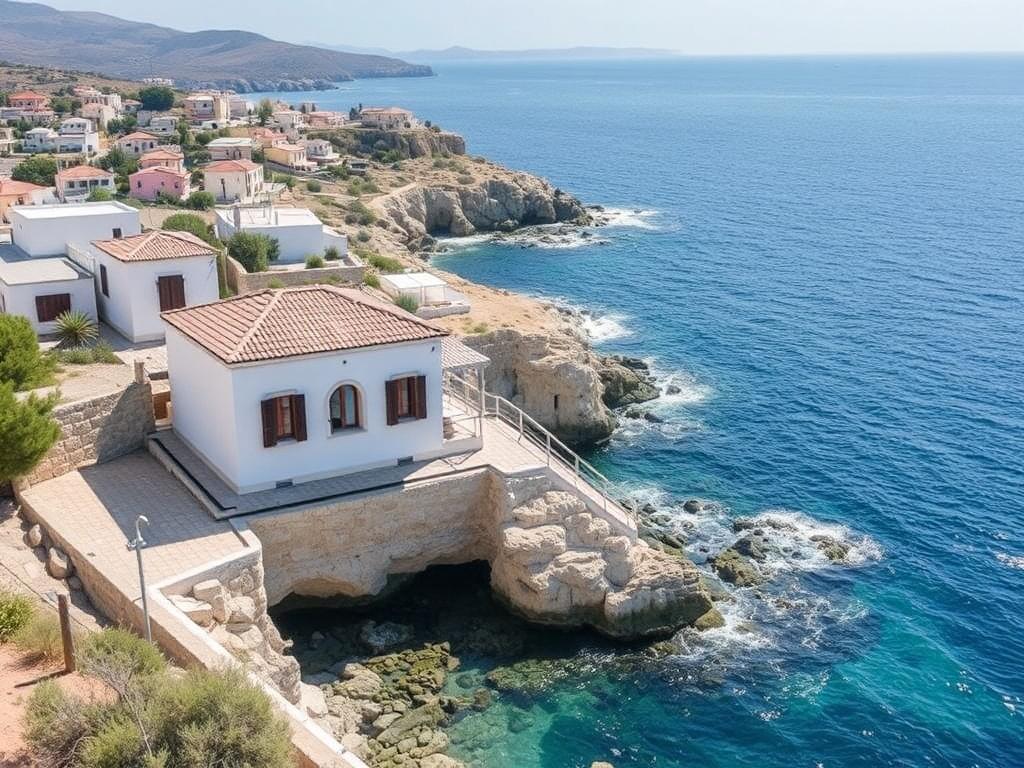
For anyone looking into houses for sale in Cyprus, understanding the challenges posed by the Mediterranean climate is essential for ensuring long-term value and comfort. Cyprus’s coastal regions attract homebuyers with their scenic beauty, attractive weather, and investment potential. However, the benefits of seaside living come with specific maintenance demands that homeowners may not encounter in inland areas or other climates. Effective coastal property maintenance Cyprus requires awareness of environmental factors such as salt-laden air, intense sunlight, variable humidity, and winter storms that can significantly affect buildings, landscaping, and infrastructure.
This guide provides a comprehensive technical overview of the critical elements involved in maintaining property in Cyprus’s coastal zone. It explains how Mediterranean climate property care differs from standard upkeep and offers practical insights into strategies for Cyprus villa upkeep, including structural preservation, material selection, garden maintenance, and seasonal considerations. Whether you own a modest seaside home or a luxury villa, adopting a tailored maintenance routine that respects the coastal environment will protect your investment and enhance your living experience.
Understanding the Mediterranean Climate’s Impact on Coastal Property
The Mediterranean climate is characterized by hot, dry summers and mild, wet winters. Cyprus, located in the eastern Mediterranean, experiences this climate pattern with some regional variations, especially along the coast. Coastal properties face a unique set of climatic influences including higher humidity levels, salt spray from the sea, and strong, persistent winds. These elements accelerate wear and tear on building materials, outdoor fixtures, and gardens.
Salt is one of the most corrosive factors affecting seaside home maintenance Cyprus. Salt particles settle on surfaces and, with moisture, promote corrosion of metals, concrete degradation, and paint deterioration. Additionally, ultraviolet radiation from the strong Cypriot sun causes fading, cracking, and brittleness in external finishes. Wind-driven sand can erode surfaces, while storms bring heavy rains and occasional flooding which may undermine foundations and landscaping.
Salt spray, sunlight, and seasonal moisture fluctuations create a uniquely challenging environment that demands specialized coastal property maintenance in Cyprus.
Given these conditions, Mediterranean climate property care must integrate regular inspections, use of appropriate materials, and preventative treatments. These efforts minimize long-term damage and reduce costly repairs, enhancing both aesthetic appeal and structural integrity.
Key Factors in Coastal Property Maintenance Cyprus
Homeowners in Cyprus’s coastal zones need to focus on several key maintenance factors to protect their properties effectively. These include:
- Corrosion Control: Protecting metal fixtures, fittings, and reinforcements from salt-induced rust and damage.
- Paint and Surface Protection: Selecting UV-resistant, breathable paints and finishes to withstand intense sun exposure.
- Waterproofing and Drainage: Ensuring roofs, terraces, and foundations are well sealed, with efficient systems to handle seasonal rain and prevent water ingress.
- Ventilation: Proper ventilation is necessary to reduce indoor humidity and prevent mold growth induced by coastal moisture.
- Landscaping Adjustments: Choosing salt-tolerant, drought-resistant plants and implementing irrigation strategies suitable for Mediterranean summers.
Addressing these components systematically will extend the lifecycle of building assets and maintain comfort levels within the property.
Regular monitoring and adjusting maintenance techniques according to seasonal changes helps manage the persistent challenges posed by coastal living in Cyprus.
Materials and Construction Techniques for Cyprus Villa Upkeep
The selection of materials and construction methods significantly influences the durability and maintenance needs of seaside homes in Cyprus. Using materials formulated or treated to resist the Mediterranean coastal environment reduces deterioration and maintenance frequency.
Concrete, commonly used in local construction, requires additives or sealants that improve salt resistance and prevent cracking due to thermal expansion. High-quality stainless steel or aluminum alloys are preferred for railings, shutters, and outdoor fixtures because they resist corrosion better than untreated metals.
Wood may be incorporated into architectural details but must be marine-grade or treated with preservatives regularly to avoid rot and insect damage. For roofing, tiles made of local clay stabilized with appropriate coatings offer good performance against heat and moisture.
For paint and coatings, formulations with UV stabilizers and elastomeric properties accommodate expansion and contraction caused by heat. Using vapor-permeable materials helps house walls “breathe,” avoiding trapped moisture.
Opting for resilient, climate-adapted materials in villa upkeep cuts down on frequent repairs and protects against the harsh sea air and sun.
Seasonal Maintenance Routine for Seaside Home Maintenance Cyprus
Effective upkeep of coastal properties in Cyprus depends on a carefully planned seasonal maintenance schedule. The distinct climate phases—dry summer and mild winter—necessitate different care activities to address specific challenges.
Spring and Summer
During the spring, focus should be on exterior cleaning to remove salt residue which has built up over the winter months. This includes washing facades, windows, terraces, and metal elements using non-corrosive cleaning agents. Inspect wooden surfaces for any signs of weathering or insect activity and reapply protective coatings as needed.
Gardens require particular attention, with irrigation systems checked and adjusted for higher summer temperatures. Selecting and maintaining Mediterranean drought-tolerant plants helps conserve water while keeping landscapes healthy and attractive.
Pest control is also crucial during warmer months, as insects become more active and can damage both garden and structural elements.
Autumn and Winter
With the onset of wetter weather, it is vital to inspect and repair waterproofing features. Roof tiles, gutters, and drainage systems should be cleared of debris to prevent clogs and overflow which can cause water damage.
Humidity during these months increases risks of mold and mildew, so ventilating the property effectively and inspecting interior wall surfaces for damp spots is essential. Attention should be given to sealing cracks in walls or foundations that may allow water penetration.
Following a structured seasonal maintenance plan tailors property care to the natural cycles of coastal Cyprus, preventing damage and reducing costs.
Property Preservation Coastal Areas: Practical Tips and Common Issues
Living by the sea offers tranquility and aesthetic pleasure, but it brings unique preservation challenges. Beyond the climatic impacts, property owners in coastal areas of Cyprus often face issues such as salt crystallization in masonry, biofouling on outdoor surfaces, and rapid degradation of outdoor furniture.
One common problem is efflorescence, a white powdery deposit caused by salts moving through masonry and concrete. This not only mars the appearance but signals moisture infiltration that might undermine structural components if left unchecked.
Regular vibration, shock, or mechanical cleaning should be avoided to prevent surface damage. Instead, gentle brushing and washing with water-based solutions help remove salts and biofilm without harming surfaces.
Outdoor furniture and fittings require regular checks. Materials like polyethylene, treated fabrics, and anodized metals perform best. Cushions and soft furnishings must be stored or covered during the wet winter period to avoid mold and decay.
Implementing smart landscaping choices can reduce airborne salt impacting the house. For example, planting windbreaks using hardy shrubs or trees helps filter salt spray and stabilize soil simultaneously.
Understanding and anticipating common coastal property issues enable proactive preservation strategies that protect your seaside investment.
Financial and Practical Benefits of Proactive Cyprus Villa Upkeep
Investing time and resources into ongoing maintenance makes economic sense for homeowners in Cyprus’s coastal regions. Routine care prevents the accelerated deterioration associated with salt corrosion, UV damage, and moisture ingress, significantly reducing costly repairs or premature renovations.
Well-maintained villas retain their market value and attract higher demand among buyers interested in seaside living. For those managing rental properties, consistent upkeep ensures guest satisfaction, fewer complaints, and positive reviews, making the property more competitive.
Preventive maintenance also preserves energy efficiency. Features like intact seals around windows and doors, well-maintained insulation, and properly functioning ventilation reduce heating and cooling costs—a critical factor considering the hot summers and milder winters of the island.
Aside from financial advantages, maintaining a coastal property properly enhances the owner’s quality of life by eliminating discomfort from leaks, mold, or damaged infrastructure and preserving the home’s aesthetic charm.
Smart Cyprus villa upkeep translates to substantial long-term savings, higher property marketability, and improved daily living conditions.
Navigating Local Regulations and Environmental Guidelines
When performing coastal property maintenance Cyprus owners must respect local regulations that aim to protect the fragile coastal ecosystem and architectural heritage. Many coastal zones in Cyprus fall under protected or partially regulated areas where specific rules govern construction, renovation, and landscaping practices.
Complying with governmental directives for water usage, waste disposal, and building modifications ensures sustainability and avoids legal penalties. Employing licensed contractors familiar with these rules is strongly recommended, particularly when installing drainage systems or undertaking façade treatments.
Moreover, regulations may require permits for certain types of work near the shoreline, and environmentally sensitive practices should be prioritized—such as using eco-friendly coatings or avoiding invasive plant species in landscaping.
Engaging with local laws and environmental standards safeguards both your property and the natural beauty of Cyprus’s coastal zones.
Your Roadmap to Successful Coastal Property Maintenance in Cyprus
Maintaining a coastal property in Cyprus requires a targeted approach that accommodates the island’s unique environmental conditions. Owners who fully understand the implications of the Mediterranean climate property care can establish routines that protect their investment and improve their quality of life.
Begin by selecting durable materials and weatherproof finishes during construction or renovation phases. Adopting a seasonal maintenance timetable mitigates damage from salt spray, sun, and moisture fluctuations. Take practical steps in landscaping and infrastructure upkeep that reduce exposure to harmful elements.
Stay informed about local environmental regulations and work with professionals knowledgeable about coastal challenges. Regular inspection and proactive repairs are far more effective than reactive measures after damage has occurred.
In essence, seaside home maintenance Cyprus is an ongoing process that blends technical knowledge, environmental awareness, and practical action. Done correctly, it preserves the allure and functionality of your property, enabling you to fully enjoy the exceptional lifestyle that Cyprus coastal regions offer.
By understanding and adapting to the Mediterranean coastal environment, you secure your property’s future and maximize your enjoyment of Cyprus’s stunning seaside living.
Frequently Asked Questions
- What are the most critical maintenance tasks for coastal properties in Cyprus?
The most important tasks include corrosion control, regular cleaning of salt deposits, inspecting and repairing waterproofing, and maintaining UV-protective coatings. - How often should I inspect my seaside home for damage?
A thorough inspection is recommended at least twice a year—ideally in spring and autumn—to address seasonal climate impacts. - What materials should I choose for coastal property construction in Cyprus?
Use corrosion-resistant metals like stainless steel or aluminum, marine-grade woods, UV-resistant paints, and sealed concrete designed to withstand salt air. - Can landscaping affect coastal property maintenance?
Yes, planting salt-tolerant and drought-resistant species helps reduce windblown salt damage and water consumption, easing overall property care. - Are there local regulations affecting maintenance near Cyprus’s coast?
Yes, coastal areas might have restrictions on structural changes, water use, and environmental impact, so compliance with local rules is essential. - What role does ventilation play in seaside home upkeep?
Proper ventilation reduces indoor humidity, preventing mold and deterioration caused by moisture inside the property. - How can I minimize energy costs while maintaining a coastal property?
Maintaining seals, insulation, and ventilation, along with using reflective or insulated materials, helps manage temperature extremes and reduce energy consumption.