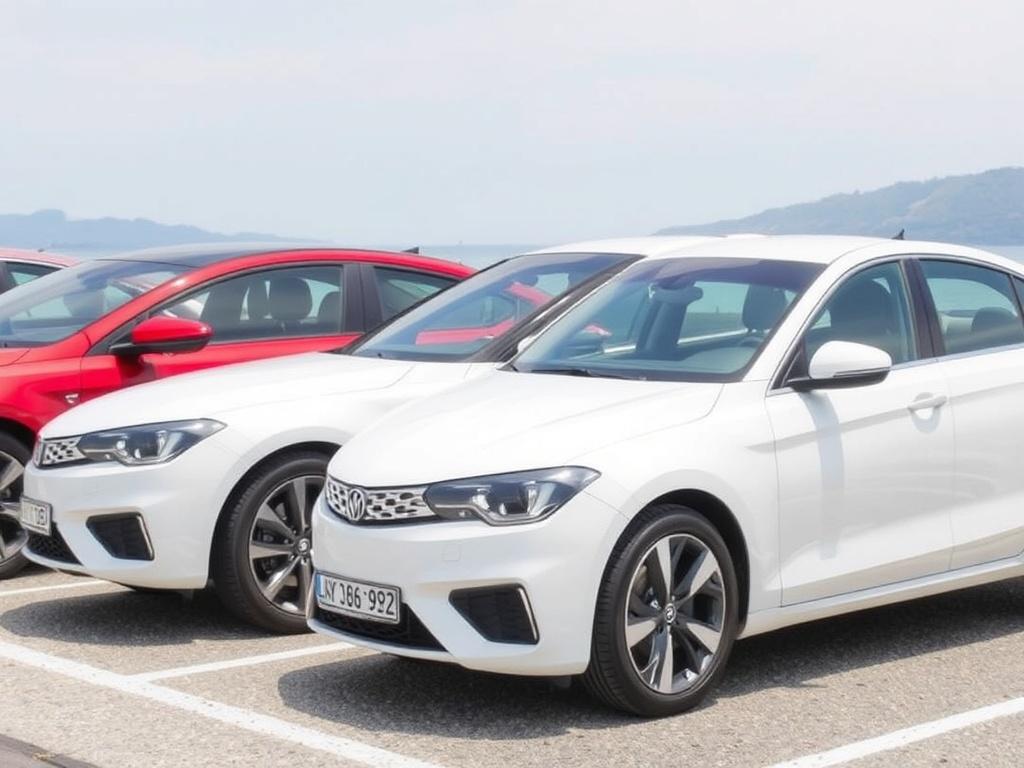
When making a long-term move to Cyprus or even planning an extended stay, the question of whether to rent or buy a vehicle frequently arises. This decision can be complex, influenced by factors such as overall transport costs Cyprus residents face, legal nuances surrounding vehicle ownership Cyprus expats encounter, and the practicalities of car buying Cyprus residents must consider. Especially for those who have decided to buy property in Larnaca Cyprus, the transport solution is pivotal to enjoying the lifestyle the island offers. This article provides a comprehensive technical examination of the Cyprus car rental vs purchase dilemma, offering clear and practical guidance to help you make an informed choice.
Understanding the Cyprus Vehicle Landscape
Cyprus is a small Mediterranean island with a unique vehicle market shaped by its mix of local customs, legal frameworks, and economic conditions. The transport infrastructure includes well-maintained highways connecting major cities like Nicosia, Limassol, and Larnaca, alongside rural roads catering to less populated areas. This setup impacts both the running costs and the convenience of owning a vehicle versus relying on rentals or public transport.
Vehicle ownership Cyprus expats must navigate involves several crucial considerations: registration fees, annual road tax, insurance costs, and maintenance requirements. These factors combine to define the Cyprus vehicle expenses that owners face, which differ markedly from those experienced by short-term renters.
Vehicle ownership in Cyprus entails ongoing costs beyond the purchase price, influencing the decision to buy or rent.
Detailed Cost Analysis: Renting vs Buying
At its core, the choice between Cyprus car rental vs purchase often depends on a detailed cost-benefit analysis. Rental agreements in Cyprus typically include insurance and road tax, and foreign vehicles are less frequently encountered due to local regulations. Conversely, car buying Cyprus residents consider involves a capital outlay, plus cyclical and unforeseen expenses.
Let’s examine the primary cost components relevant to renters and buyers:
| Cost Factor | Renting | Buying |
|---|---|---|
| Initial Payment | Deposit and rental fee, often monthly | Full purchase price or financing down payment |
| Insurance | Typically included | Owner responsible; variable premiums |
| Road Tax | Included in rental | Annual tax based on engine size |
| Maintenance & Repairs | Handled by rental company | Owner responsible for all costs |
| Depreciation | Not a concern | Potential financial loss on resale |
Transport costs Cyprus residents endure depend heavily on factors such as the model of vehicle, usage frequency, and driving habits. For many expats and locals alike, the burden of ownership-related fees can slowly accumulate, tilting the balance towards rental in shorter stays.
Deciding to buy or rent hinges on a nuanced understanding of both upfront and recurring vehicle expenses.
Legal and Regulatory Elements Affecting Vehicle Ownership Cyprus Expats Should Know
One of the most significant challenges for expats contemplating car buying Cyprus residents face is the regulatory environment. Cyprus, as an EU member, requires compliance with strict standards on vehicle registration, emissions, and licensing. Foreign nationals must secure the correct permits and may encounter hurdles when importing vehicles.
Vehicle registration can be a lengthy process, including inspections and paperwork to confirm compliance with local norms. Expats should be aware that imported cars may attract custom duty and VAT charges, which add to the total vehicle purchase expense.
Additionally, driving licences must be valid in Cyprus. Many expats leverage international driving permits initially but must exchange these for local licenses if their stay extends beyond a certain period.
Regulatory factors can significantly affect the feasibility and timing of vehicle ownership for expats in Cyprus.
Practical Considerations for Car Buying Cyprus Residents Experience
Practical issues extend beyond legalities and cost alone. Car buying in Cyprus involves selecting vehicles suited to the local terrain and climate—many owners prefer compact or fuel-efficient models due to narrow urban streets and high fuel prices. Furthermore, the availability of dealerships and the variety of makes and models influence buying options.
Warranty terms and after-sales support also play a vital role. New cars may provide peace of mind but at higher costs, while the second-hand market is vibrant and more affordable yet carries increased maintenance risk. Cyprus has strict periodic inspection rules that can catch latent mechanical issues, making reliable servicing crucial.
Additionally, prospective buyers should take into account potential resale value, which is often influenced by brand reputation and model popularity locally.
Understanding local vehicle preferences and market conditions is essential for a successful purchase in Cyprus.
Assessing the Benefits of Cyprus Car Rental vs Purchase
Rental services in Cyprus have become more professional and accessible, catering especially to tourists, short-term residents, and expats testing the island lifestyle before committing. The rental market offers flexibility, insurance convenience, and access to newer vehicles without the hassle of ownership. Rentals often come with roadside assistance and maintenance covered, reducing unexpected costs.
However, rental contracts can become expensive over the long term. Insurance class limits, mileage restrictions, and deposit requirements pose restrictions that ownership does not. For residents with steady transportation needs, buying a car can offer greater independence and lower long-term costs.
Conversely, short or medium stays benefit from rental’s hassle-free nature, especially where financial outlay must be minimal or uncertain.
Car rental services provide convenient, short-term solutions but may not be cost-effective for long-term residents.
Transport Costs Cyprus Realities: What You Need to Budget
Beyond the vehicle itself, transport costs Cyprus users face include fuel prices, parking fees, tolls, and potential fines. Fuel in Cyprus is typically priced higher than in many mainland European countries, significantly impacting running costs. Hence, choosing an economical vehicle is common, particularly among buyers.
Parking, especially in urban centers like Limassol or Larnaca, can range from free roadside spots to paid garages costing several euros per hour. Public parking regulations are strictly enforced, and fines can accumulate.
While Cyprus has minimal toll roads, the costs for occasional maintenance or unexpected repairs can be substantial. Owners should set aside a budget line specifically for these variable expenses, which rentals effectively internalize.
Final Thoughts: Making the Right Transport Choice in Cyprus
Deciding between Cyprus car rental vs purchase is inherently personal and depends heavily on your intended duration of stay, financial capacity, and lifestyle preferences. For expats and long-term residents thinking beyond immediate convenience, buying a car may ultimately make more financial sense despite higher initial costs. This especially applies if you plan to explore the island fully and require reliable, unrestricted access.
On the other hand, if uncertainty surrounds your length of stay or transport needs, rental offers flexibility without the burdens of ownership. The continuous evolution of Cyprus transport infrastructure and vehicle market means staying informed on current transport costs Cyprus residents and visitors endure is crucial. In any case, carefully balancing your options against your mobility requirements and financial planning will pave the way to a smooth transition and enriched Cyprus experience.
Choosing between car rental and ownership in Cyprus demands careful analysis of your specific needs, staying adaptable as circumstances evolve.
Answers to Common Queries About Cyprus Car Rental vs Purchase
- What are the main advantages of renting a car in Cyprus?
Renting offers flexibility, insurance included, and no maintenance responsibility, ideal for short stays or uncertain durations. - Is it expensive to own a car as an expat in Cyprus?
Ownership incurs upfront purchase costs plus annual taxes, insurance, and maintenance, which can add up considerably compared to renting. - Can I drive in Cyprus with a foreign license?
Many foreign licenses are valid for a limited period, but long-term residents usually must exchange these for a Cypriot license. - What are typical transport costs Cyprus drivers should budget for?
Include fuel, road tax, insurance, parking fees, maintenance, and occasional repairs in your budget. - How does buying property in Larnaca Cyprus relate to vehicle decisions?
Owning property increases the likelihood of long-term residency, which often justifies purchasing a vehicle over renting. - Are second-hand cars a good option in Cyprus?
The second-hand market offers affordability but demands thorough checks due to maintenance risks and inspection requirements. - How do I decide between rental and purchase for my Cyprus transport?
Assess your length of stay, monthly transport needs, budget flexibility, and willingness to handle ownership responsibilities.