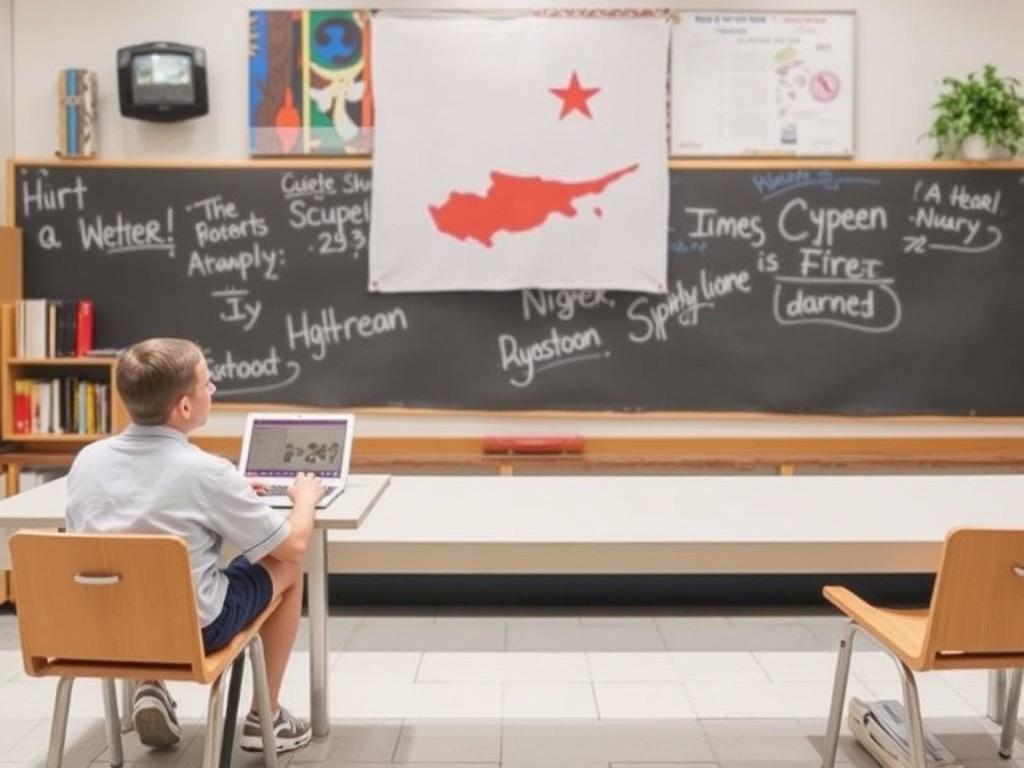
For many expatriate families moving to Cyprus, understanding the local education landscape is a crucial part of settling in comfortably. Whether you are considering property for sale in Limassol Cyprus or relocating to other parts of the island, the education system forms a key factor in choosing where to live and how to plan your children’s schooling. The Cyprus Education System has evolved over time to accommodate a variety of needs, including those of expat children who require adaptable schooling options with familiar curricula and teaching standards. This guide explores the structure of education in Cyprus, the available options for expat families, and how academic standards are maintained across institutions, forming a coherent Cyprus school system guide for newcomers.
Structure of the Cyprus Education System
The Cyprus school system is divided into several levels, designed to cater to children from early childhood through to pre-university education. Education is compulsory for children aged 5 to 15, covering the primary and lower secondary phases. The system is broadly broken down into pre-primary, primary, secondary, and tertiary education sectors.
Pre-primary education typically begins at the age of 4 or 5, offering foundational skills and social integration. Formal compulsory education begins at primary school, which lasts for six years. Following primary education, students progress to secondary education, which is split into two cycles: lower secondary (gymnasium) and upper secondary (lyceum). Lower secondary education usually lasts three years and is followed by an optional three-year upper secondary stage. Upper secondary education can be differentiated into general education, technical-vocational training, or apprenticeship schemes.
Expats adapting to the Cyprus education system will find that public schools mainly follow the Greek Cypriot curriculum, delivered in Greek. However, private and international schools offer alternatives taught primarily in English and other languages, accommodating a diverse expat population.
The Cyprus education system combines compulsory stages with flexible learning pathways, balancing tradition with diversification suitable for expat families.
Education Options Cyprus: Public, Private, and International Schools
Expat children schooling Cyprus offers multiple routes due to the country’s multicultural environment and demand for varied curricula. Public schools are free or low-cost and follow the state curriculum, but the language barrier can pose challenges for non-Greek speaking families. In contrast, private and international schools, while more expensive, provide instruction in English or other foreign languages, often following British, American, or other international academic frameworks.
International schools in Cyprus have grown significantly, reflecting the needs of expat children from multiple nationalities. These institutions usually offer globally recognized qualifications such as the International Baccalaureate (IB), British GCSEs and A-Levels, or the American High School Diploma. This allows students to transition smoothly into universities worldwide after graduation.
| School Type | Language of Instruction | Curriculum | Cost | Suitability for Expats |
|---|---|---|---|---|
| Public Schools | Greek | Cypriot National Curriculum | Free or low cost | Limited (language barrier) |
| Private Schools | English/Greek | Varied – British, American, National | Moderate to high | Good for bilingual expats |
| International Schools | English, others | IB, British, American, others | High | Excellent for international families |
The choice between these options depends on several factors, including family budget, language preferences, and long-term academic planning. Many expats prioritize international schools for their children to ensure consistency with educational qualifications recognized globally.
International and private schools in Cyprus provide diverse curricula to meet the needs of global families, minimizing language and cultural adjustment challenges.
Curriculum and Academic Standards in Cyprus
Cyprus Academic Standards follow regulations set by the Ministry of Education and Culture, ensuring consistent quality across public education institutions. The national curriculum emphasizes core subjects like mathematics, sciences, language arts, history, and physical education, carefully sequenced to support progressive knowledge acquisition from primary through secondary levels.
For expat children attending private or international schools, curricula vary widely but maintain rigorous academic benchmarks. Internationally recognized programs such as the IB curriculum are designed to develop critical thinking, intercultural understanding, and research skills, aligning Cypriot academic offerings with global educational trends.
Teacher qualifications in Cyprus similarly adhere to strict standards. Public school teachers undergo comprehensive training and continuous professional development to deliver high-quality education. International schools typically recruit certified educators internationally, ensuring that teaching methods and assessments meet their global standards.
Assessment practices include both formative and summative evaluations. National exams for Cypriot students determine progression and eligibility for higher education. International schools use recognized external examinations like GCSEs and IB diplomas to certify student achievement.
High academic standards in Cyprus are upheld through regulated curricula and qualified educators, fostering a robust learning environment for all students.
Challenges for Expat Children Schooling Cyprus
While Cyprus offers many education options, expat families often encounter challenges that require careful consideration and planning. Language barriers remain the primary concern, especially for children attending Greek public schools. Learning in a foreign language, adapting to different teaching styles, and integrating socially can be difficult for new arrivals.
Moreover, transitioning from one education system to another—particularly for older children—may require additional support to bridge curriculum differences. Some expat children may face difficulties with curriculum pacing, subject content, or assessment formats unfamiliar to them. This necessitates supplementary tutoring or adaptation periods.
The availability of places in popular international schools can also be competitive, particularly in Limassol and Nicosia. Starting the enrollment process well in advance is recommended for families seeking spots in preferred institutions. The cost of private and international education may strain family budgets, but many expats find the investment worthwhile to ensure language continuity and academic quality.
Finally, cultural adaptation plays a significant role. Schools in Cyprus foster a strong sense of community and tradition, which, while enriching, may require expat children and parents to be proactive in social integration and understanding local customs.
Although Cyprus school system options are varied, expat families must plan carefully to address language, enrollment, and adaptation challenges for their children.
Navigating the Cyprus School System Guide for Expat Families
Understanding the steps to enroll children in the Cyprus education system is as important as knowing the types of schools available. The process begins with gathering detailed information about local school choices, languages offered, tuition fees, and admission policies. Many international schools require formal applications, supporting documents, and sometimes entry assessments. Public schools require registration through local education offices, often facilitated by residency permits.
Expats should consider the following key actions:
- Research and shortlist schools based on location, curriculum, and language of instruction.
- Visit schools if possible to engage with staff and understand the environment.
- Prepare necessary documents: passports, birth certificates, previous school records, and residency papers.
- Apply well ahead of the academic year, as international programs can have waiting lists.
- Explore language support programs for non-Greek speakers if enrolling in public schools.
- Plan for transportation and after-school activities to support social integration.
Additional considerations include budget planning for tuition, school meals, uniforms, textbooks, and extracurricular activities. Many international schools have parent associations or forums that provide valuable support networks for expats.
Proactive research, early applications, and understanding administrative requirements are critical to smooth school enrollment for expat families in Cyprus.
Higher Education and Lifelong Learning in Cyprus
Beyond compulsory education, Cyprus offers a range of higher education institutions, including universities, colleges, and vocational training centers. The University of Cyprus and Cyprus University of Technology are the largest public universities offering undergraduate and postgraduate programs in sciences, humanities, engineering, and business. International students and expats can apply, provided they meet entry criteria and language proficiency requirements.
Private universities and specialized institutions also serve the growing demand for advanced learning. Many offer courses in English and collaboration with European and American universities, enhancing the international dimension of higher education in Cyprus.
Lifelong learning initiatives and adult education programs are widely available, focusing on professional development, language acquisition, and technical skills enhancement. These options contribute to a well-rounded education ecosystem that benefits both locals and expats seeking growth opportunities throughout their stay.
Cyprus supports comprehensive lifelong learning that extends beyond compulsory schooling and into higher and adult education for a dynamic, skilled population.
The Impact of Cyprus Education System on Expatriate Life
The quality and diversity of education options in Cyprus significantly influence expat family life and integration. Access to suitable schooling fosters stability and confidence among children, which in turn contributes to their social development and academic success. Knowing that their children’s educational needs are well met allows parents to focus on employment, community engagement, and settling into daily life.
Moreover, the multicultural learning environments found in international schools provide expat children with social circles that reflect their own backgrounds, supporting identity and emotional wellbeing. The interaction between local and expat students also promotes intercultural understanding, enriching experiences for all.
In locations with a high concentration of expats, such as Limassol and Nicosia, schools often become community hubs where families exchange information, celebrate diverse cultures, and support each other. This sense of community is crucial for creating a secure home away from home.
A robust education system enhances expat family life in Cyprus by offering stability, social connections, and academic continuity in an international context.
Unlocking Your Next Chapter: Making Education Work for Your Family in Cyprus
Relocating to Cyprus opens up an array of educational opportunities tailored to a wide spectrum of expat needs. From navigating public schooling in the Greek language to choosing among top-tier international academies, the Cyprus education system demonstrates versatility and quality. Parents must assess their family’s priorities, balance financial considerations, and anticipate challenges to make well-informed decisions about their children’s schooling pathways.
Investing time in thorough research and engaging directly with schools can smooth the transition and pave the way for academic and personal growth in a new environment. Coupled with the island’s vibrant culture and growing expat communities, Cyprus offers a compelling destination not only for property investment but also for nurturing future generations.
Whether you are exploring property for sale in Limassol Cyprus or settling in other regions, understanding and leveraging the Cyprus education system will ensure that your family’s educational journey is fulfilling and successful.
Frequently Asked Questions
- What are the main schooling options available for expat children in Cyprus?
Expat children can attend public schools (Greek curriculum), private schools with bilingual options, or international schools offering English or other foreign-language curricula such as the IB, British, or American systems. - Is instruction in public schools in Cyprus available in English?
Public schools primarily teach in Greek. English is taught as a second language, but English instruction as the main language is generally only available in private or international schools. - How do Cyprus academic standards compare internationally?
Cyprus maintains rigorous academic standards regulated by the Ministry of Education, and many international schools align their curricula with globally recognized programs, ensuring comparability and acceptance worldwide. - Are there waiting lists for international schools in Cyprus?
Yes, international schools in popular cities such as Limassol and Nicosia can have waiting lists, so early application is advised to secure a place. - Can expat students continue their education at universities in Cyprus?
Yes, expat students can enroll in Cypriot universities and colleges, with many programs offered in English and entry based on academic qualifications and language proficiency. - What support exists for expat children struggling with the Greek language?
Some public and private schools offer language support programs or additional tutoring to assist non-Greek speakers in integrating academically and socially. - Is education free in Cyprus?
Public education is free and compulsory for children up to age 15. Private and international schools charge tuition fees, which vary depending on the institution and curriculum offered.