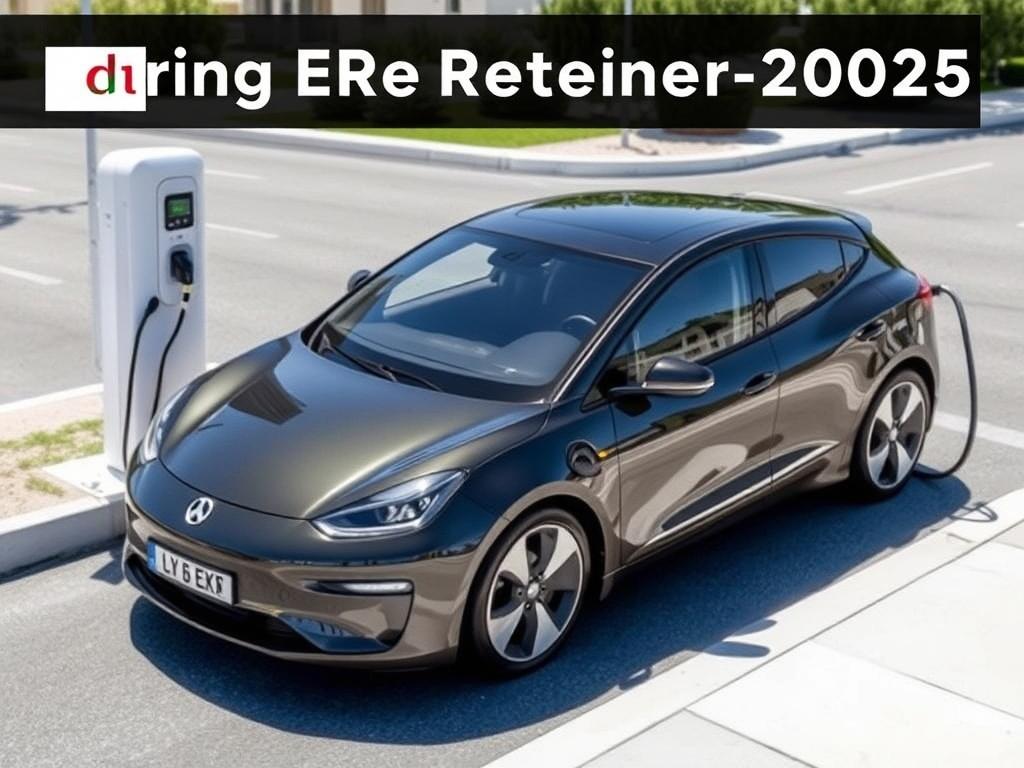
Cyprus, known for its breathtaking Mediterranean coastline, rugged mountains, and rich history, is gradually becoming a promising destination for electric vehicle (EV) drivers. The island’s compact size combined with improving infrastructure makes it particularly suited for road trips in electric cars. However, understanding how to navigate the evolving landscape of EV charging stations and planning a smooth journey requires careful preparation. This guide is designed to provide a comprehensive overview of electric car travel in Cyprus, highlighting the current state of EV charging, mapping routes for efficient charging, and practical tips to make your battery-powered adventure enjoyable and worry-free in 2025.
The Evolution of Electric Vehicles in Cyprus
Cyprus has witnessed a steady increase in electric vehicle adoption over recent years. Government incentives, growing environmental awareness, and the rising cost of fossil fuels have fueled interest in electric car Cyprus owners. In 2025, Cyprus is progressing towards a more electric and sustainable transportation future, but several unique factors influence this shift.
Traditionally, Cyprus relied on imported fuel with limited infrastructure for conventional vehicles; transitioning to EVs introduces new logistical challenges. Though the island is relatively small—measuring just 240 kilometers from east to west—it presents uneven terrain and spread-out settlements that require comprehensive planning for EV drivers. Cities such as Nicosia, Limassol, and Larnaca have started to build more EV charging stations within urban centers, while rural and remote areas are still catching up.
Government initiatives are pushing for at least 30% of new vehicle sales to be electric by 2030, leveraging EU funding to establish more comprehensive charging networks. In parallel, private businesses and municipalities are investing in EV infrastructure, raising public awareness and encouraging sustainable mobility.
Cyprus is rapidly transforming into a viable destination for electric vehicle owners through strategic infrastructure investments and targeted policies.
Current State of EV Charging Stations in Cyprus
Having reliable access to EV charging stations is critical for electric vehicle travel, especially on road trip Cyprus routes that traverse urban and rural landscapes. The island’s network of charging points has expanded considerably but still requires planning for longer drives and less populated regions.
The majority of EV charging stations are concentrated in key cities and tourist hubs. Limassol and Nicosia boast multiple fast chargers for quick top-ups, typically rated at 50 kW or above. These rapid chargers are often located near shopping centers, hotels, and car rental services, catering to convenience and accessibility.
Apart from fast chargers, there are numerous standard Level 2 chargers, suited for overnight or longer stays, particularly in hotels and public parking areas. These generally provide charging speeds of 7 to 22 kW and support a wide range of electric vehicles through Type 2 connectors, which are the most common standard in Europe.
Remote and mountainous regions, popular for road trip Cyprus explorers, still have fewer EV charging points, making proper route planning indispensable. Some areas rely on slower chargers or plug-in points integrated within small communities and resorts.
| City/Area | Number of EV Charging Stations (2025) | Types of Chargers | Charging Speed Range |
|---|---|---|---|
| Nicosia | 45 | Fast, Standard (Level 2) | 7 kW – 50 kW+ |
| Limassol | 50 | Fast, Standard (Level 2) | 7 kW – 50 kW+ |
| Larnaca | 30 | Standard (Level 2), Some Fast Chargers | 7 kW – 40 kW |
| Troodos Mountains | 6 | Standard (Level 2) | 7 kW – 11 kW |
| Paphos | 25 | Fast, Standard (Level 2) | 7 kW – 50 kW |
Fast chargers cluster in urban centers, while rural locations demand more careful charging strategies during road trips.
Using the Charge Map 2025 for Efficient Route Planning
One of the essential tools for any electric car Cyprus owner is the updated charge map 2025. This interactive digital map includes all operational EV charging stations across the island, detailing charger types, speeds, availability, and user reviews. Utilizing this map is critical to optimizing your trip planning and avoiding unexpected battery depletion.
The charge map 2025 integrates real-time data with predictive analytics, showing expected charger occupancy and estimated wait times. This is particularly useful during peak travel seasons or holidays when demand surges. Most charge maps are accessible via mobile apps or onboard vehicle navigation systems, making them convenient companions during your travels.
One advanced feature is route planning that incorporates range and terrain elevation. Since Cyprus features hilly terrain, elevation changes influence battery consumption more heavily than flat landscapes. The map helps plan charging stops aligned with your battery’s state of charge and anticipated energy use, allowing safe travel without range anxiety.
By continuously updating the charge map 2025, Cyprus’ EV infrastructure providers ensure motorists receive accurate information about newly opened stations or temporarily offline chargers. Integrating this data within your journey planning tools means fewer disruptions and smoother travel experiences.
Leveraging the most recent charge map 2025 is indispensable for confident, efficient navigation in Cyprus’ growing electric vehicle landscape.
Planning Your Road Trip Cyprus: Strategies for Optimal EV Travel
Taking a road trip Cyprus in an electric vehicle combines the allure of scenic drives with the practical challenge of managing battery life and charging. To maximize enjoyment and avoid inconveniences, detailed preparation addressing vehicle range, charging station locations, and travel pace is paramount.
A practical approach to road trip planning includes defining daily travel distances based on your EV’s range under typical driving conditions in Cyprus. For example, most mid-range electric cars can comfortably cover between 250 and 350 kilometers on a single charge on Cyprus’ roads with moderate speed and terrain.
Ensuring that charging points are accessible along your chosen routes should take priority. The charge map 2025 can highlight stations every 50 to 70 kilometers along major highways and tourist routes, accommodating comfortable margin buffers for battery depletion, unexpected detours, or variations in driving style.
If you plan to explore natural attractions such as the Akamas Peninsula or Troodos Mountains, where charger density is thinner, arranging overnight accommodation with built-in charging facilities becomes essential. Hotels with EV chargers not only boost convenience but also offer opportunities to replenish your battery while resting, a dual benefit for travelers.
Time management is another crucial element. Incorporate charging stops into your itinerary by factoring in charging speed and connector availability. For instance, a full recharge from a fast charger takes approximately 30 to 60 minutes, whereas standard chargers may require several hours. Balancing these pauses with sightseeing and meals enables a relaxed experience.
Smart timing and strategic stopovers transform electric road trips in Cyprus from a logistical hurdle into a seamless, enjoyable adventure.
Technical Insights: Battery Performance and Energy Consumption on Cyprus Roads
Understanding how electric vehicle batteries perform in Cyprus’ specific driving conditions is essential for efficient journey planning. Factors such as temperature, topography, driving speed, and accessory usage can all significantly influence energy consumption.
Cyprus experiences a Mediterranean climate characterized by hot summers and mild winters. High ambient temperatures can affect battery thermal management systems, sometimes leading to reduced charging efficiency or accelerated battery wear if cooling is inadequate. However, most modern EVs are equipped with climate control systems designed to mitigate these effects.
Elevation changes are a distinct feature of the island’s terrain. The Troodos Mountains, with peaks exceeding 1,900 meters, pose a considerable challenge for battery range. Ascents require more energy due to increased motor load, while descents allow partial regeneration through regenerative braking. On average, driving uphill can increase consumption by 10% to 20%, depending on steepness and driving style.
Energy-saving techniques such as moderate acceleration, steady cruising speeds, and limited use of air conditioning can help maximize distance per charge. Further technical considerations include using eco-driving modes available in most EV models, which optimize power management for efficiency over performance.
Charging infrastructure is another technical factor. Plug types used in Cyprus follow European Type 2 and CCS standards, ensuring compatibility with the majority of electric car models. Fast chargers (DC) deliver higher power outputs, while alternating current (AC) chargers rely on vehicle onboard chargers with varying power limits.
Technical awareness of energy consumption dynamics equates to smarter, safer, and longer electric vehicle journeys in Cyprus.
Electric Vehicle Travel Tips for Cyprus Exploration
Even the most seasoned EV drivers benefit from targeted electric vehicle travel tips when exploring a new region like Cyprus. The island’s mixture of urban, suburban, and rural environments demands adaptability and preparedness to maintain smooth travels.
- Download and familiarize yourself with multiple charging network apps: Not all chargers belong to one network, so having access to different platforms improves your options.
- Keep a portable charging cable handy: In case your destination offers only standard power outlets, having this cable lets you recharge at slower speeds.
- Plan charging around meals or rest stops: Synchronizing your charging time with breaks minimizes downtime impact.
- Monitor your state of charge frequently: Keeping battery levels above 20% reduces the risk of unexpected depletion, especially in remote areas.
- Consider weather and seasonal effects: Summer heat can affect battery performance and charging speed; plan accordingly for longer stops if necessary.
- Register for roadside assistance services specializing in EVs: This provides peace of mind if you encounter issues in isolated locations.
Being proactive and knowledgeable about EV travel essentials unlocks greater freedom and confidence on the roads of Cyprus.
Embracing the Future: Cyprus’s Roadmap for EV Infrastructure Expansion
Looking ahead, Cyprus aims to accelerate its transition to electric mobility with ambitious plans to exponentially increase EV charging stations and green transportation services. The government and private sectors are collaborating to create a more densely connected network, especially targeting underserved regions.
Innovations such as solar-powered charging stations, battery swapping facilities, and integrated smart grid solutions are under consideration or pilot testing. These advancements aim to reduce energy costs, enhance grid reliability, and support renewable energy adoption.
Cyprus also plans to integrate EV infrastructure with public transport and tourism initiatives. For instance, providing charging options near popular beaches, archaeological sites, and national parks will further entice visitors to choose electric transportation for their explorations.
Investment in EV education campaigns and incentives for local businesses to install chargers is expected to amplify adoption rates and improve user experiences. By 2025 and beyond, Cyprus envisions an electric vehicle ecosystem that seamlessly blends technology, sustainability, and tourism, placing the island among leading Mediterranean green travel destinations.
Cyprus’ commitment to expanding EV infrastructure promises exciting possibilities for electric travelers and sustainable transport enthusiasts.
Charging Ahead: Your Cyprus Electric Journey Starts Here
Driving an electric car in Cyprus in 2025 is an increasingly accessible and rewarding experience, provided you equip yourself with the right tools and knowledge. The developing network of EV charging stations combined with sophisticated planning aids like the charge map 2025 makes traversing the island’s diverse landscapes smoother than ever before.
Mastering the art of blending route planning, awareness of charging speeds, energy management, and leveraging local resources will empower you to embark on truly memorable electric road trips in Cyprus. While challenges remain—especially in less urbanized areas—ongoing infrastructure improvements and government support signal a promising future for electric mobility on this island.
Whether you are a resident switching to an electric vehicle or a visitor aiming to explore Cyprus’ natural and cultural treasures sustainably, embracing this green technology offers environmental benefits alongside cost savings and an enhanced travel experience. As you prepare for your next journey, keep these insights and tips close at hand. Your electric vehicle adventure in Cyprus awaits—charged, ready, and redefined for 2025.
Frequently Asked Questions
- How extensive is the EV charging network in Cyprus?
The network is growing steadily with over 150 charging stations mainly in cities like Nicosia, Limassol, and Larnaca, plus select rural areas; fast chargers and standard Level 2 chargers support various EV needs. - What is the typical range of an electric car driving on Cyprus roads?
Most modern electric cars can cover between 250 to 350 kilometers per charge, but this can vary depending on terrain, temperature, and driving habits. - Where can I find the most reliable information about charger locations in Cyprus?
The charge map 2025, accessible via mobile apps and vehicle navigation systems, provides real-time details on charger locations, types, availability, and user reviews. - Are there enough charging options for road trips to mountainous regions like Troodos?
Charging points are limited in these areas, so planning overnight stops at accommodations with chargers or scheduling longer charging sessions in nearby towns is recommended. - What types of plugs and connectors are used for EV chargers in Cyprus?
Cyprus uses European-standard Type 2 connectors and CCS for fast charging, compatible with most electric vehicle models available today. - Do I need to consider weather conditions when traveling with an electric car in Cyprus?
Yes, high summer temperatures can affect battery performance and charging efficiency; it’s advisable to plan for additional charging time and monitor battery temperature when possible. - Are there any incentives for electric vehicle users in Cyprus?
Yes, government incentives include tax breaks, reduced registration fees, and subsidies for EV purchases and home charger installations, supporting wider adoption of electric cars.