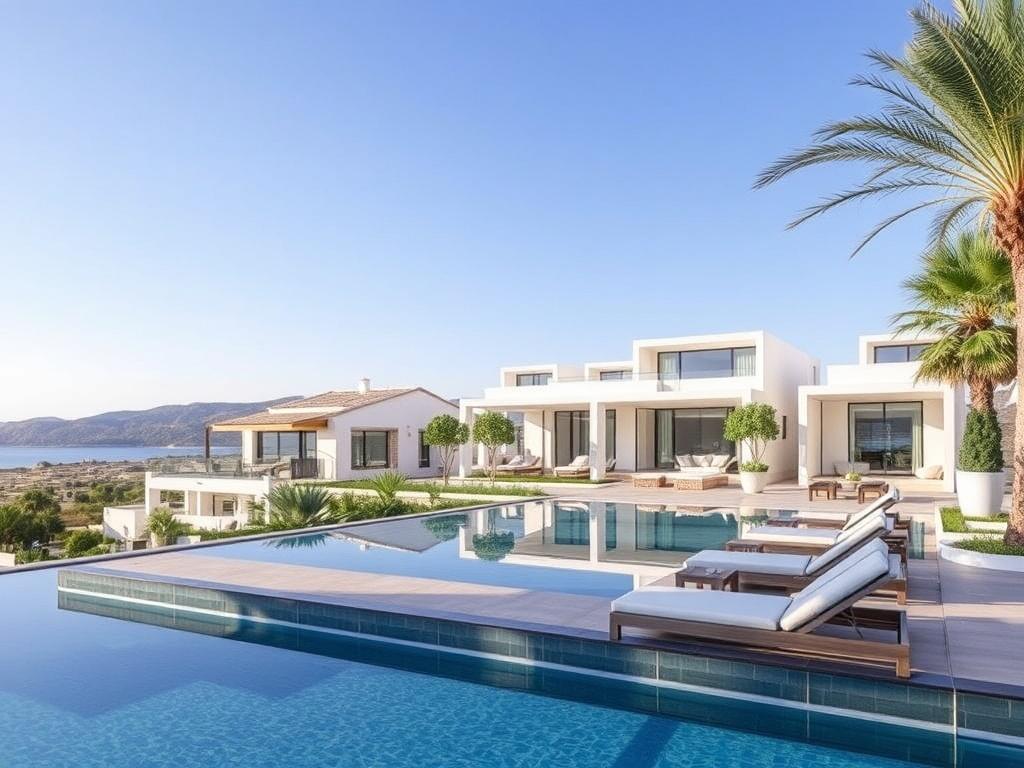
The Paphos real estate sector has become a focal point for investors, homeowners, and developers over recent years. As the city evolves from a historical and cultural gem into a modern urban hub, the dynamics around purchasing and investing in property are shifting rapidly. Those considering a purchase or investment can explore a wide range of property for sale in Paphos region, which offers varied options from beachfront villas to urban apartments. Forecasting into 2025, understanding the Paphos property market 2025 and related trends offers invaluable insight into what buyers and investors can expect.
Overview of the Paphos Property Market
Paphos has always been a sought-after location, combining Mediterranean climate, historic sites, and a lifestyle attractive to expatriates and retirees. However, the property scene here has undergone significant transformation due to economic cycles, government incentives, and demographic changes. Today, the Paphos property forecast suggests a market balancing recovery after global economic challenges alongside sustained demand from international buyers.
The steady influx of tourists every year underpins much of the local real estate demand, with many opting for holiday homes or rental properties aimed at short-term visitors. Meanwhile, domestic buyers maintain steady interest due to improving infrastructure and quality of life. The spectrum of properties ranges from modest apartments to luxurious seafront villas, catering to different budgets and tastes.
Decoding the Paphos property market requires understanding both local demand and international investor dynamics.
Economic Drivers Behind Paphos Real Estate Trends
The evolution of the Paphos property market is closely linked to the island’s broader economic landscape. Cyprus’s recovery post-2013 financial crisis has boosted confidence among buyers and investors alike. Key sectors such as tourism, financial services, and construction fuel this momentum, directly influencing property prices and demand.
Government incentives continue to play a relevant role. Residency programs, tax benefits, and streamlined buying procedures attract foreign investors, particularly from the UK, Russia, and increasingly, from European Union countries. Alongside, infrastructural projects—improvements in roads, ports, and utilities—support both growth and enhanced property valuation.
Another factor affecting the market is the trend towards sustainability. Both buyers and developers show growing interest in energy-efficient homes and green certifications that promise lower operating costs and added value long-term. This influences construction trends and property amenities included in newer developments.
Economic stability and government incentives form the backbone supporting Paphos property prices and investment opportunities.
Analyzing Property Prices Paphos: Past, Present, and Forecast
Tracking property prices Paphos reveals a clear pattern of recovery and growth. Prices initially dropped during the 2012–2013 economic downturn but have since stabilized and entered a steady upward trajectory. Mid-range apartments and family homes have seen consistent price appreciation, driven by rising demand and limited supply in strategic locations.
More exclusive zones, such as coastal areas and parts of the city center, report higher prices. The Paphos property forecast for 2025 anticipates a moderate but sustained increase, typically ranging between 3% to 6% annually. This is aligned with local inflation rates, construction costs, and incremental improvements in infrastructure.
However, market segmentation is key to understanding prices. While luxury villa prices are influenced by global wealth trends and second-home markets, affordable housing for locals and expatriates remains competitive, impacted by wage growth and demographic shifts.
| Property Type | Average Price (2023) | Expected Growth to 2025 |
|---|---|---|
| Seafront Villas | €700,000 | 5% |
| Urban Apartments | €180,000 | 4% |
| Family Houses (Suburbs) | €250,000 | 6% |
Price growth in Paphos will be steady, reflecting balanced demand and evolving market conditions through 2025.
Paphos Investment Opportunities: Sectors and Strategies
For investors, Paphos remains attractive for multiple reasons. Steady rental demand backed by tourism and expatriate residency ensures potential for income-generating properties. Additionally, capital appreciation prospects appear promising given limited new land supply and increasing service infrastructure.
Several types of investments stand out:
- Holiday rentals: Properties near beaches or city centers that can command premium short-term rental rates.
- Residential developments: New projects catering to families or retirees look to capitalize on demographic shifts.
- Commercial real estate: Retail and office spaces within Paphos city are gradually gaining momentum as business activities expand.
Moreover, diversification within the Paphos real estate market is possible by blending individual property ownership with real estate funds or joint ventures in development projects. Emerging niches like eco-tourism accommodations and wellness retreats also present high-potential investment avenues.
Identifying the right investment strategy in Paphos depends on aligning market trends with personal financial goals and risk appetite.
Factors Shaping Paphos Real Estate Trends Looking Into 2025
Several factors will distinctly mold the Paphos real estate trends through 2025. Demographic changes feature prominently, with an increase in foreign retirees and digital nomads choosing the region for permanent or semi-permanent residence. This pushes demand towards modern apartments equipped for remote work.
Climate resilience is another emerging issue. Developers are increasingly adopting designs that mitigate rising temperatures and water scarcity risk. Such considerations are expected to influence pricing and buyer preferences.
Urban planning policies and zoning regulations introduced by local authorities also impact available building permits and density limits, effectively shaping market supply. The preservation of historical sites may limit high-density developments in certain districts while encouraging redevelopment in others.
Lastly, political stability and Cyprus’s relationship with the European Union and neighboring countries remain cornerstones of the broader market’s confidence level.
Emerging socio-economic and environmental factors will steer the Paphos property market evolution in the medium term.
Navigating Challenges in the Paphos Property Market
Despite optimistic trends, challenges persist. The scarcity of land in prime locations often leads to price spikes beyond local affordability. Also, fluctuating interest rates and global economic uncertainties can alter buyer behavior unexpectedly.
Foreign investors face regulatory and taxation complexities, demanding thorough due diligence. Currency fluctuations, particularly between the euro and other currencies, influence purchasing power and returns. Moreover, potential oversupply in certain segments may moderate price increases and rental yields, requiring cautious analysis.
The scarcity of skilled labor and rising construction costs also constrain the speed and scale of new developments that could otherwise meet growing demand.
Buyers and investors must navigate economic and regulatory challenges carefully to capitalize on Paphos’s real estate potential.
Technological Innovations and Their Impact on the Market
Technology is transforming how properties in Paphos are marketed, sold, and managed. Virtual tours, drone imaging, and augmented reality tools enable buyers to explore property for sale in Paphos region from anywhere in the world, increasing cross-border transactions.
Blockchain and smart contracts promise to simplify property transactions, improving transparency and reducing fraud risk. Additionally, proptech solutions streamline property management for rental investors, optimizing occupancy rates and maintenance.
New construction technologies and digital design platforms allow developers to create more sustainable and customizable housing options, aligning with modern buyer expectations and regulatory standards.
Technological advancements enhance transparency, efficiency, and customization in the Paphos real estate market.
Your Next Step in the Evolving Paphos Property Landscape
The Paphos property market in 2025 is poised as a complex yet promising arena. It offers diverse opportunities across residential and commercial sectors buttressed by stable economic fundamentals and solid demand drivers. Careful consideration of trends, prices, and emerging challenges will empower buyers and investors to make informed decisions.
Whether you seek a vacation home, permanent residency, or investment returns, Paphos combines Mediterranean charm with modern convenience and dynamic growth potential. Staying abreast of the Paphos property forecast alongside expert advice ensures your strategy aligns with market realities.
Embrace the nuanced Paphos market with informed planning to unlock its full potential by 2025 and beyond.
Essentials You Must Know: Paphos Property Market FAQs
- What is driving the current demand for property in Paphos?
The demand is driven by tourism, foreign retirees, government incentives for residency, and improving infrastructure that makes the region attractive for living and investment. - How are property prices in Paphos expected to change by 2025?
Prices are forecast to grow moderately between 3% and 6% annually, influenced by balanced supply and rising demand, especially in high-demand neighborhoods. - Are there specific types of properties that offer better investment returns in Paphos?
Holiday rentals near beaches and urban apartments tend to offer higher rental yields, while luxury villas provide more capital appreciation over time. - What should foreign buyers consider before purchasing property in Paphos?
They should consider regulatory and taxation requirements, currency exchange risks, and ensure due diligence on legal ownership and property condition. - How does infrastructure development affect the Paphos property market?
Improved infrastructure enhances access and amenities, boosting property values and market attractiveness. - Is there a risk of oversupply in the Paphos real estate market?
Certain segments, particularly in mass residential developments, may face oversupply, but prime locations maintain steady demand and prices. - What role does sustainability play in future property builds in Paphos?
Sustainability is increasingly important, with energy-efficient designs and climate resilience becoming key factors driving new construction and buyer preferences.