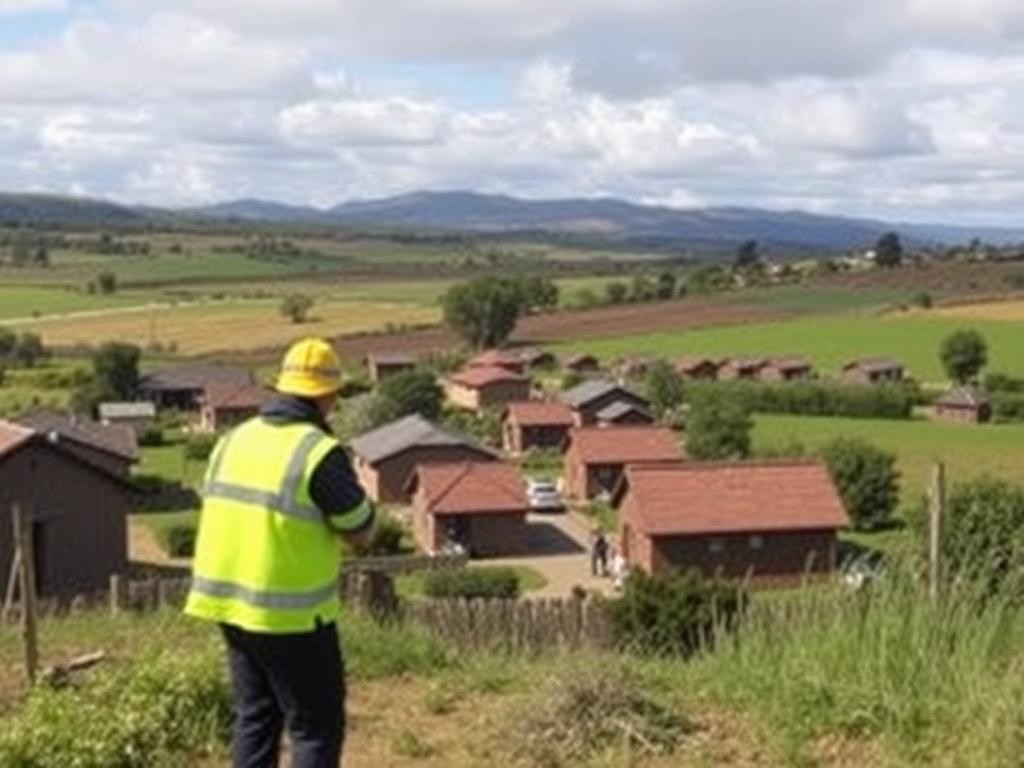
Over the past decade, the rise of remote work has fundamentally reshaped where and how people live. While city centers once dominated as the prime locations for economic activity and residence, a growing number of professionals are migrating to rural settings. In particular, remote work in Cyprus has catalyzed a significant surge in village property prices. This transformation reflects broader global work-from-home trends, where digital nomads and remote employees are prioritizing lifestyle, affordable rural housing, and connectivity over traditional urban proximity.
The appeal of rural housing in Cyprus is not accidental. The island’s natural beauty, favorable climate, and comparatively low cost of living have long attracted tourists and retirees. Now, it is witnessing an influx of remote workers who leverage digital nomad real estate opportunities, stimulating the local economy and real estate market. This article explores the multifaceted impact of remote work on Cyprus’s rural property landscape, analyzing socio-economic implications, market dynamics, and future prospects.
The Remote Work Revolution and Its Geographic Impact
Remote work, once a niche practice limited to certain industries, has exploded worldwide. Advances in communication technology, cloud-based software, and flexible management philosophies have dismantled the necessity for physical presence in traditional offices. Companies are embracing this shift, which reduces overhead while offering employees autonomy. Consequently, employees are reconsidering living arrangements to match new priorities.
The pandemic accelerated this trend, forcing businesses and workers to experiment with fully remote work on a global scale. This period revealed that many roles can function productively outside metropolitan hubs, upending long-held geographic conventions. As a result, remote work has driven a wave of migration from urban centers to rural communities. Cyprus is a prime example where this migration aligns perfectly with the island’s appeal and infrastructure improvements.
Remote work breaks geographical barriers, enabling professionals to settle in villages while maintaining vibrant careers worldwide.
Key factors pushing workers out of cities include rising urban living costs, crowded transportation, and the allure of better quality of life in quieter rural regions. Conversely, rural areas offer affordability, space, natural surroundings, and community cohesion. The spread of high-speed internet and digital infrastructure has diminished the isolation once associated with rural living, making locations like Cyprus very attractive.
Cyprus: A Magnet for Remote Workers
Cyprus has rapidly evolved into a hotspot for remote work. The country’s infrastructure, political stability, and welcoming environment create the perfect conditions for location-independent professionals. Remote work Cyprus has gained traction not only among local residents but also international digital nomads and expats seeking a sustainable lifestyle.
The Cypriot government has recognized this shift, introducing initiatives and visa programs tailored for remote workers. Such programs facilitate simplified residency and tax advantages, aligning policy with emerging global work trends. The result is a thriving digital nomad real estate market catering to this demographic’s specific needs—properties with dedicated workspace, reliable internet, and proximity to amenities.
The island’s geographic and cultural diversity offers a spectrum of living options, from bustling coastal towns to tranquil mountain villages. This diversity enriches rural housing Cyprus, providing buyers and renters with choice, whether they prioritize dynamic social environments or peaceful isolation.
Cyprus’s strategic blend of climate, connectivity, and community draws an expanding pool of remote professionals seeking long-term rural residence.
Why Digital Nomads and Remote Workers Choose Cyprus
Several intrinsic advantages set Cyprus apart as a destination for remote workers:
- Climate: Mild Mediterranean weather year-round encourages outdoor living and health.
- Connectivity: Extensive broadband availability and improvements in rural telecom infrastructure.
- Cost of Living: More affordable than many European regions, especially when considering rural property prices.
- Quality of Life: Access to nature, low crime rates, and established expatriate communities.
- Government Incentives: Remote work-friendly visas, tax breaks, and investment schemes.
These elements create a synergistic effect, making Cyprus a leading contender in the remote work revolution.
Village Property Prices: Trends and Drivers
As remote workers settle in rural locations, village property prices in Cyprus have experienced notable growth. This surge contrasts with previously stagnant or declining rural real estate markets, reflecting newfound demand and shifting value perceptions.
Village properties, traditionally characterized by older construction and limited modern amenities, are now seeing investments to retrofit or upgrade for remote working needs. Buyers are prioritizing homes with spacious interiors ideal for offices, outdoor areas, and stable internet service. Such features command premium pricing and actively reshape local real estate dynamics.
Furthermore, this demand has prompted a diversification of available properties. From ancient stone houses updated with contemporary comforts to newly built eco-friendly villas designed with sustainability in mind, the rural market caters to a wide range of preferences.
Factors Influencing Village Property Price Growth
| Driver | Description | Impact on Prices |
|---|---|---|
| Increased Demand from Remote Workers | Growing number of professionals seeking rural residences for work-life balance. | Raises property values due to competition and limited supply. |
| Improved Infrastructure | Investment in broadband and utilities in villages. | Enhances property desirability and justifies higher prices. |
| Government Incentives | Special visa schemes and tax benefits for remote workers purchasing property. | Stimulates market activity and price appreciation. |
| Lifestyle Appeal | Preference for nature, tranquility, and community engagement. | Supports sustained demand and premium valuation. |
Rising village property prices echo the broader economic shift, driven by remote workers’ preferences and infrastructural upgrades.
Rural Housing Cyprus: Lifestyle and Economic Implications
The increasing popularity of rural housing in Cyprus carries significant implications beyond real estate. Social structures in villages are evolving as newcomers integrate with long-standing communities. This blending influences local economies, culture, and even the environment.
On one hand, new residents inject vitality into rural markets—supporting small business growth, increased services, and cultural exchange. Cafés, local produce markets, and co-working spaces are emerging to meet new demands. This entrepreneurial spirit revitalizes areas that had faced depopulation and economic stagnation.
On the other hand, rapid changes can also stress community cohesion and local resources. Gentrification concerns arise as property values increase, potentially marginalizing existing residents. Balancing growth with preservation of village identity requires careful policy and community engagement.
Economically, rural Cyprus benefits from an expanded tax base and increased spending power. Remote work boosts local commerce, from utilities consumption to retail and hospitality. Governments and planners must prepare infrastructure—both physical and digital—to sustain this momentum responsibly.
Work-From-Home Trends Shaping Future Real Estate
The evolution of work-from-home trends will continue to influence how rural housing markets develop in Cyprus and beyond. Hybrid models, where employees split time between home and occasional office visits, create distinct demands. Properties need to accommodate versatile workspaces that are quiet, well-equipped, and ergonomically sound.
Additionally, digital nomad real estate will adapt to changing demographics and preferences. Younger generations prioritize connectivity and sustainability, leading to innovations in green building standards, smart home technologies, and shared communal spaces. These trends increase the appeal of rural housing Cyprus, positioning villages as technologically advanced yet environmentally and socially conscious places to live.
Emerging technologies such as 5G, improved satellite internet, and home office automation will further shrink the perceived distance between urban and rural living, blurring lines and expanding markets.
Adapting to evolving work-from-home habits is key to sustaining the real estate boom in Cyprus’s villages and attracting future residents.
Anticipated Changes in Property Design and Utility
Real estate developers and architects are increasingly designing homes tailored for remote use. Key considerations include:
- Dedicated soundproofed office spaces to minimize distractions.
- Flexible layouts that can accommodate hybrid work and leisure.
- Eco-friendly materials and energy efficiency to align with environmental expectations.
- Integration of smart-home features to enhance productivity and comfort.
- Access to virtual office hubs or shared spaces within communities to foster collaboration.
This shift in design standards not only enhances property value but also ensures long-term relevance in the changing workforce landscape.
Real Estate Investment Strategies in Cyprus’s Rural Market
Investors targeting the dynamic village property prices in Cyprus must adopt nuanced strategies respecting the market’s unique forces. Unlike urban real estate, rural property investment depends heavily on local factors such as infrastructure upgrades, demographic shifts, and government policies favoring remote work.
Successful investment requires thorough market research, including understanding community sentiment and tracking trends in remote work adoption. Properties near connectivity hubs and with development potential generally outperform others. Additionally, partnerships with local builders and service providers can streamline acquisitions and renovations tailored to digital nomads’ expectations.
For foreign investors, navigating legal and taxation frameworks is equally critical. Cyprus has transparent but occasionally complex processes, particularly concerning new visa initiatives for remote workers. Expert legal and financial counsel can mitigate risks and optimize returns.
Key Investment Considerations
| Aspect | Consideration |
|---|---|
| Location | Proximity to internet infrastructure and amenities influences demand and price appreciation. |
| Property Condition | Modern or renovated homes appealing to remote workers tend to yield higher returns. |
| Government Policies | Staying updated on visa and tax laws is crucial for compliance and leveraging benefits. |
| Community Dynamics | Acceptance of newcomers and social integration influence long-term stability. |
Investing in rural Cyprus demands balancing growth prospects with local realities and regulatory knowledge.
Remote Work Cyprus: Infrastructure Development and Challenges
Although the remote work boom presents exceptional opportunities, infrastructure challenges in rural Cyprus remain pivotal. Reliable internet is no longer a luxury but a necessity. Efforts to expand fiber-optic networks and upgrade cellular coverage are ongoing, yet gaps persist in some villages.
Electricity supply, road quality, healthcare access, and public services also play a role in supporting remote populations. These essential utilities must be scaled in line with increased demand to avoid bottlenecks that could deter potential newcomers.
Local governments and private sectors collaborate in several initiatives to address these concerns. Programs include funding for public Wi-Fi hotspots, grants for renovating properties with modern amenities, and plans to enhance transport links connecting villages with urban centers.
Bridging infrastructural gaps is critical for sustaining village property growth driven by remote work in Cyprus.
Looking Ahead: How Remote Work Continues to Redefine Cypriot Villages
The ongoing remote work paradigm is transforming Cyprus’s rural landscape with profound and lasting effects. Village property prices will continue to rise as demand intensifies, driven by professionals valuing lifestyle, connectivity, and affordability. This boom repositions rural areas from marginal backwaters to thriving, mixed-use communities that blend tradition and innovation.
However, sustainable development demands vigilance. Balancing newcomers’ needs with local traditions, investing wisely in infrastructure, and embracing smart technologies are crucial to preserving the unique character of Cyprus’s villages. Policymakers, investors, and residents must collaborate to ensure that growth remains inclusive, equitable, and environmentally conscious.
Ultimately, Cyprus exemplifies how remote work reshapes not just individual choices but entire economic and cultural ecosystems. Its experience serves as a blueprint for other regions aiming to capture the benefits of a remote-enabled society while mitigating the challenges. The village property boom ignited by remote work is not a fleeting trend—it is a transformative wave with deep roots and expansive potential.
The future of rural Cyprus hinges on integrating remote work advantages with thoughtful stewardship of its villages’ heritage and resources.
Frequently Asked Questions
-
How has remote work affected village property prices in Cyprus?
Remote work has increased demand for rural properties, raising village property prices as more professionals seek homes outside urban centers. -
What makes Cyprus attractive for digital nomad real estate?
Its climate, affordability, improving infrastructure, supportive visa policies, and quality of life make Cyprus highly desirable for digital nomads. -
Are there government incentives for remote workers buying property in Cyprus?
Yes, Cyprus offers specialized visas and tax incentives aimed at attracting remote workers who purchase property on the island. -
What infrastructure challenges does rural Cyprus face with the remote work boom?
While internet connectivity has improved, some villages still require better broadband, electricity, healthcare, and transportation to fully support new residents. -
What types of properties are remote workers looking for in Cyprus’s villages?
Remote workers prefer homes with reliable internet, dedicated office space, modern amenities, and access to nature and community facilities. -
How should investors approach rural real estate in Cyprus?
Investors should focus on location, property condition, compliance with government policies, and community acceptance to maximize returns and sustainability. -
Will work-from-home trends continue to impact Cyprus’s rural property market?
Yes, evolving remote work models and technologies will sustain demand for flexible, well-connected rural homes targeting digital nomads and hybrid workers.