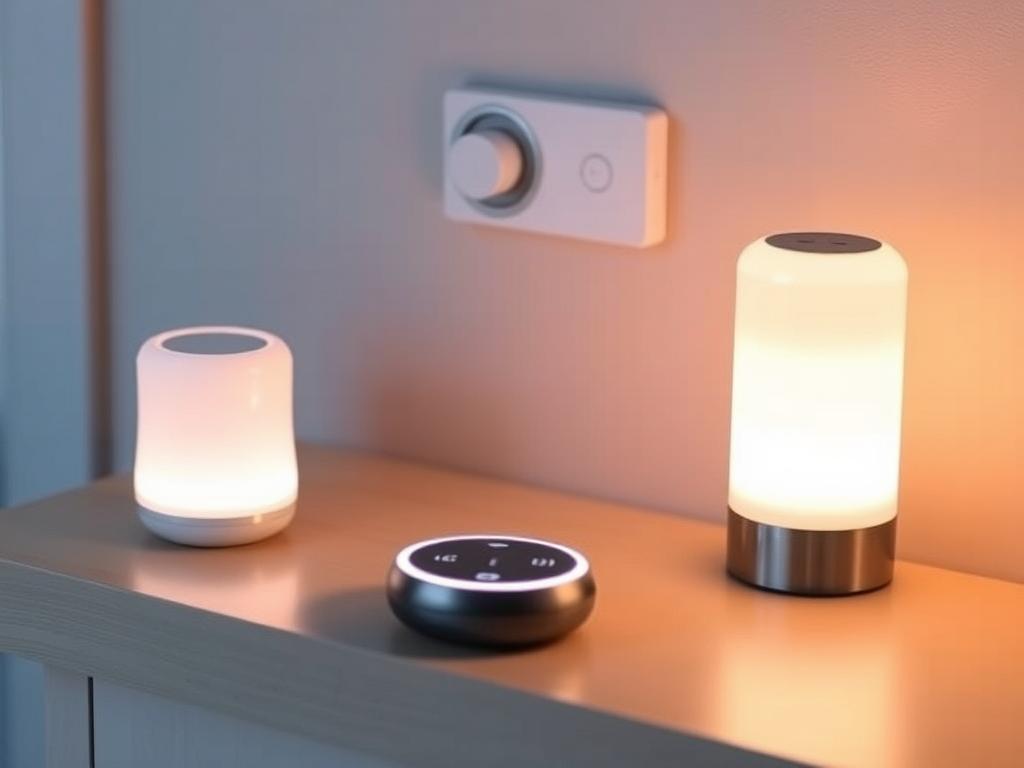
Renting a home in locations such as Cyprus or any other urban area often comes with the challenge of managing utility bills that can quickly inflate monthly expenses. Traditional homes, especially rentals, may lack the infrastructure or owner’s investment in energy-efficient upgrades. However, advancements in technology provide renters with numerous opportunities to reduce electricity bill costs without permanent alterations to their living spaces. This is where smart home Cyprus solutions and other energy saving devices come into play, offering rental property tech designed specifically to optimize energy consumption while maintaining convenience and comfort.
Energy efficiency is a critical consideration for tenants who want to keep their living environments comfortable but affordable. Unlike homeowners, renters face constraints on the types of modifications they can make — making smart, non-invasive technology a key asset. This article will explore a comprehensive range of smart gadgets and strategies tailored for rental properties that not only help reduce electricity bills but also contribute broadly toward utility cost reduction and a greener lifestyle.
The Challenge of Utility Cost Reduction in Rental Homes
Utility costs in rental properties vary widely depending on factors such as local energy prices, the condition of the property’s existing systems, and tenants’ usage patterns. For renters, the typical lack of control over infrastructure such as insulation, windows, or HVAC units limits their ability to directly improve energy efficiency. This often leads to inefficient energy consumption and higher bills.
Moreover, tenants frequently struggle with the issue of shared utilities, such as water or heating, managed by landlords or property management companies, leaving little room for personalized adjustments. This makes energy saving devices and rental property tech solutions particularly valuable, as they can offer measurable savings with minimal installation or property impact.
Smart home technology empowers renters to take energy control into their own hands, bypassing traditional limitations.
Key Smart Home Cyprus Solutions for Renters
Cyprus, with its increasing adoption of smart home technology, provides a unique context to examine the latest developments in smart rental gadgets. These devices are selected and designed to maximize energy efficiency in rental properties, combining practicality with the flexibility to move between homes with minimal fuss.
Some of the central innovations include smart plugs, thermostats, lighting systems, and energy monitors. Each offers a way to optimize power consumption through automation, precision control, and real-time feedback. These systems typically integrate with smartphone apps that allow tenants to monitor and manage their utility use remotely.
Smart Thermostats and Climate Control
Efficient heating and cooling systems are fundamental to managing utility bills. Smart thermostats allow tenants to program and adjust temperatures in response to real-world occupancy patterns, external weather conditions, and personal preferences. Advanced models detect when nobody is home and lower energy usage accordingly.
Considerable savings arise from regulating HVAC systems more intelligently than with conventional manual thermostats. In rental homes where central systems might be outdated or inefficient, these devices offer a workable solution that does not require landlords’ intervention. Features such as geofencing can detect when the renter is approaching home and preheat or precool the space, thus preventing wasteful continuous operation.
Smart Lighting and Occupancy Sensors
Lighting accounts for a significant portion of household energy consumption. Smart LED bulbs combined with occupancy sensors reduce electricity waste by ensuring lights are only on when needed. These bulbs consume less power and last longer than traditional incandescent or even compact fluorescent lamps.
The addition of motion sensors and scheduling capabilities ensures that common oversight—leaving lights on in empty rooms—is eliminated. Such systems are simple to install, making them especially suitable for rentals where permanent fixtures might be limited.
Applying Energy Saving Devices in Rental Properties
Beyond thermostats and lighting, renters can harness a plethora of energy saving devices that contribute directly to reducing electricity bills. These include smart power strips, water-saving showerheads, and energy consumption monitors. They address both direct electricity use and ancillary costs linked to water and heating.
Energy saving devices give renters practical tools to moderate their utility footprint without altering the property’s infrastructure.
Smart Power Strips and Plugs
One overlooked source of energy waste is standby power, often called “phantom load.” Devices like TVs, chargers, and kitchen appliances consume power even when not actively in use. Smart plugs and power strips cut off power supply to these devices automatically or on demand, ensuring no hidden consumption.
These devices are easy to deploy in rental homes and offer immediate benefits. With remote controls and scheduling, tenants can create efficient usage patterns that fit their lifestyle and reduce electricity bills noticeably.
Water Heating and Smart Shower Systems
Water heating can represent a significant fraction of energy use, especially in older rental accommodations. Smart shower systems and water-saving fixtures help regulate temperature more effectively, reduce unnecessary hot water waste, and provide better visibility into consumption patterns.
Such devices often combine flow regulation, timing, and temperature control into a cohesive system accessible via apps on smartphones. Monitoring water heating usage contributes directly to utility cost reduction and helps tenants adopt more sustainable habits.
Monitoring and Automation Tools: Tracking Real-Time Energy Use
One of the most powerful elements of rental property tech is the ability to monitor energy consumption in real-time. Smart energy monitors link to the main electrical panel or individual outlets, providing data that reveals which devices use the most electricity and at which times.
This data-driven approach transforms awareness into action. Tenants can adjust behaviors, identify appliances that are energy hogs, and time their usage to off-peak hours where utility providers offer incentives.
Types of Energy Monitoring Devices
| Device Type | Description | Ideal For |
|---|---|---|
| Whole-Home Energy Monitors | Installed at the electrical panel, tracks total consumption and appliance-level data. | Renters with landlord permission and longer lease durations. |
| Smart Plugs with Energy Monitoring | Monitors individual appliances’ energy use on a per-plug basis. | Any rental tenant seeking immediate room-level data. |
| Smart Meters from Utility Companies | Often provide remote online access to house’s overall energy consumption. | Households supported by utility companies with smart meter infrastructure. |
Real-time feedback on energy use unlocks smarter consumption habits and tangible utility cost reduction.
Challenges and Limitations of Implementing Smart Gadgets in Rentals
Despite the many benefits, renters face practical limitations when integrating smart home devices. Rental agreements may prohibit permanent installations or require permissions for new technologies that affect existing electrical systems. Some landlords may be hesitant to allow devices that interact with heating or major utilities.
Furthermore, the upfront cost of smart gadgets can be a deterrent. While many devices pay for themselves over time through savings, renters with short-term stays or tight budgets might find the initial investment challenging.
Finally, device compatibility and connectivity can pose issues, especially in older properties with outdated electrical wiring or poor Wi-Fi coverage, which most smart devices depend on. These factors necessitate selecting gadgets that are plug-and-play and easily moved between properties.
Future Trends in Rental Property Tech for Energy Efficiency
The rental market is evolving quickly, tying smart technology adoption closely to shifting tenant expectations and energy regulations. Innovations such as AI-driven energy management systems are entering the market, capable of predicting and adapting to user behavior to optimize consumption further.
In Cyprus and globally, utility cost reduction will increasingly rely on interconnected ecosystems where smart meters, devices, and cloud services communicate seamlessly. These systems will enable tenants to benefit from dynamic pricing schemes, peak-hour shifts, and renewable energy integration without needing large capital expenses or permanent home modifications.
Breaking Barriers: How Smart Home Cyprus Devices Empower Renters
Energy management in rental properties has often been overlooked, with many assuming only landlords benefit from upgrades. However, smart home Cyprus innovations now level the playing field, placing powerful energy saving capabilities in the hands of renters. These non-invasive, user-friendly devices ensure tenants are no longer passive consumers but active participants in energy reduction strategies.
By choosing the right combination of smart thermostats, lighting, monitoring systems, and device controllers, renters can craft a tailored approach that suits their lifestyle and budget. This not only slashes the electricity bill but also fosters a sustainable outlook that aligns with global environmental goals.
With smart gadgets, renters gain unprecedented control over utility costs and contribute meaningfully to sustainability.
Smart Gadgets in Rentals: The Path Toward Affordable and Sustainable Living
Managing utility expenses in rental homes need not be a source of stress or conflict. With a wide range of smart gadgets and rental property tech available today, renters can effectively reduce electricity bill amounts, optimize consumption patterns, and enjoy higher comfort levels. These technologies enable gradual improvements without permanent changes, reflecting the precise needs and rights of tenants.
As smart home Cyprus solutions and global energy-saving devices continue to advance, renters are well positioned to leverage these tools to their advantage. The prospects extend beyond just financial savings to include an overall enhancement in quality of living and environmental responsibility.
Renters across the globe should embrace these emerging technologies to take control over their utility budgets and contribute to broader efforts in energy conservation and sustainability. The intersection of smart technology and rental accommodations marks a promising frontier for those committed to affordable, efficient, and environmentally conscious living.
Bright Futures: Empowering Renters to Slash Utility Bills with Smart Tech
The integration of smart gadgets into rental properties offers more than just a way to cut monthly expenses; it redefines the renter’s relationship with their living space and energy consumption. As technology makes it easier to track, manage, and reduce utility costs, renters become empowered agents of change, able to drive meaningful progress in both personal finance and environmental stewardship.
This transformation is practical and accessible, demanding neither permanent property modifications nor excessive upfront investments. Instead, with thoughtful selection and strategic use of smart home Cyprus devices and other rental property tech, tenants can realize consistent utility cost reductions while improving convenience and safety.
Ultimately, smart gadgets bring the promise of a future where sustainable living in rental homes is not just possible but commonplace. Empowerment through technology is the key to unlocking this future, and renters stand to benefit immensely by embracing these innovations today.
Frequently Asked Questions
- Can renters install smart thermostats without landlord permission?
It depends on the rental agreement and local laws. Many smart thermostats require minimal installation and can be moved; however, it’s best practice to obtain landlord approval beforehand. - Do smart plugs really help reduce electricity bills in rental properties?
Yes, smart plugs cut off standby power, preventing energy waste from devices left plugged in but not in use, which can add up significantly over time. - What is the most cost-effective smart device for renters to reduce utility costs?
Smart LED bulbs and smart plugs are among the most affordable and effective devices that provide immediate energy savings without installation hassle. - Can smart home devices in rentals work without reliable Wi-Fi?
Many smart devices require Wi-Fi for full functionality, but some offer limited offline capabilities or local controls. Checking specifications before purchase is essential. - How soon can renters expect to see utility bill reductions after using smart gadgets?
Savings can often be observed within the first billing cycle (1 to 2 months), though the amount depends on usage patterns and device adoption. - Are smart energy monitors useful in rental homes where electricity is shared?
They are useful for monitoring individual appliance or room-level consumption but may be less effective for whole-house monitoring without separate meters. - What rental property tech solutions are best for hot climates like Cyprus?
Smart thermostats with cooling optimization, solar-ready smart devices, and efficient ventilation control are best suited to reduce utility costs in hot climates.